Top 5 Trends in Inground Pool Designs for Modern Homes
In the evolving landscape of residential architecture, inground pools have transformed from simple recreational amenities into sophisticated design statements. Modern homeowners are increasingly seeking pools that not only provide relaxation and exercise but also complement their property's aesthetic and functional value. The demand for innovative pool designs reflects a broader trend where outdoor living spaces are becoming as significant as indoor areas. From clean, minimalist lines to resort-style luxury features, inground pools are now central to crafting a cohesive and visually striking home environment. Designers and homeowners alike are exploring creative solutions that enhance both usability and curb appeal, making pool design a critical consideration in contemporary residential projects.
Moreover, advancements in materials, technology, and landscaping have opened new possibilities for customization and efficiency. Modern pools can incorporate energy-efficient systems, automated maintenance, and multi-functional features that adapt to the lifestyle of the homeowner. As a result, inground pools are no longer just an optional luxury but a strategic investment in property value and personal well-being. This blog will explore the top five trends in inground pool designs for modern homes, highlighting actionable insights, innovative ideas, and practical considerations for homeowners and designers looking to stay ahead of the curve in this dynamic industry.
1. Minimalist and Geometric Designs
Emphasis on Clean Lines
One of the most prominent trends in modern inground pool design is the move toward minimalism. Homeowners increasingly prefer pools with sleek, clean lines and sharp geometric shapes over traditional curvilinear designs. Rectangular and square pools, often paired with uniform decking materials such as concrete, natural stone, or composite tiles, create a modern aesthetic that aligns with contemporary architecture. This minimalist approach reduces visual clutter, allowing the pool to act as a focal point without overwhelming the overall design of the outdoor space.
Integration with Outdoor Spaces
Minimalist pool designs also facilitate seamless integration with outdoor living areas. Features like infinity edges, negative edge waterfalls, and flush decking provide a sense of continuity between the pool and surrounding patios or gardens. For example, a pool that aligns perfectly with a deck’s linear patterns can create an uninterrupted visual flow, enhancing the perception of space and luxury. Homeowners and designers often pair these pools with understated landscaping, such as ornamental grasses or sculptural plantings, to maintain the minimalist aesthetic while adding subtle texture and color.
Benefits and Challenges
Minimalist geometric pools are relatively easier to maintain due to their simpler shape, but careful planning is required to ensure balance with the home’s architecture. The challenge lies in avoiding a design that feels stark or overly clinical; using materials with natural tones or incorporating subtle water features can soften the look while preserving modern sophistication.
2. Smart and Sustainable Pool Technology
Automated Pool Systems
Technology integration in inground pools is reshaping how homeowners interact with their outdoor spaces. Smart pool systems allow full automation of cleaning, water chemistry, lighting, and temperature controls. For instance, homeowners can adjust pool settings remotely via smartphone apps, ensuring the water remains pristine without daily manual intervention. Automation not only enhances convenience but also increases energy efficiency by optimizing filtration and heating schedules based on actual usage.
Energy-Efficient Heating and Filtration
Sustainability is a critical consideration in modern pool design. Solar pool heaters, variable-speed pumps, and energy-efficient filtration systems reduce operational costs and environmental impact. Homeowners are increasingly favoring these technologies, as they align with broader trends in sustainable home construction. For example, pairing a variable-speed pump with a solar heating system can reduce energy consumption by up to 70%, demonstrating both ecological and financial benefits.
Water Conservation Practices
Eco-conscious homeowners are also embracing features that minimize water waste. Cover systems that prevent evaporation, rainwater harvesting integration, and pool designs that use saltwater chlorination instead of traditional chemicals are becoming standard in modern inground pools. While initial installation costs may be higher, these investments provide long-term savings and contribute to environmentally responsible living.
3. Infinity and Negative Edge Pools
Visual Appeal and Luxury
Infinity pools, often referred to as negative edge pools, have gained popularity for their dramatic visual effects. These designs create an optical illusion where water appears to merge seamlessly with the horizon, a particularly striking feature in homes with ocean views, lakes, or elevated terrain. Negative edge pools are designed to direct overflowing water into a hidden trough or basin, which is then recirculated, maintaining the illusion while managing functionality.
Integration with Landscaping and Views
These pools are not just aesthetically impressive; they also maximize the visual impact of the surrounding environment. Homeowners often place infinity pools in conjunction with terraces, sunken seating areas, and landscaped gardens to create a cohesive outdoor retreat. For instance, a hillside property can incorporate an infinity pool that aligns with the natural slope, giving the impression that the pool extends into the landscape, blending luxury with the natural environment.
Considerations and Maintenance
While infinity pools provide exceptional visual appeal, they require precise engineering and regular maintenance to ensure proper water circulation and edge cleanliness. Homeowners should work with experienced designers and pool contractors to account for factors such as water level fluctuations, pump capacity, and edge alignment to prevent operational issues or aesthetic compromise.
4. Integrated Spa Features
Combining Pools and Spas
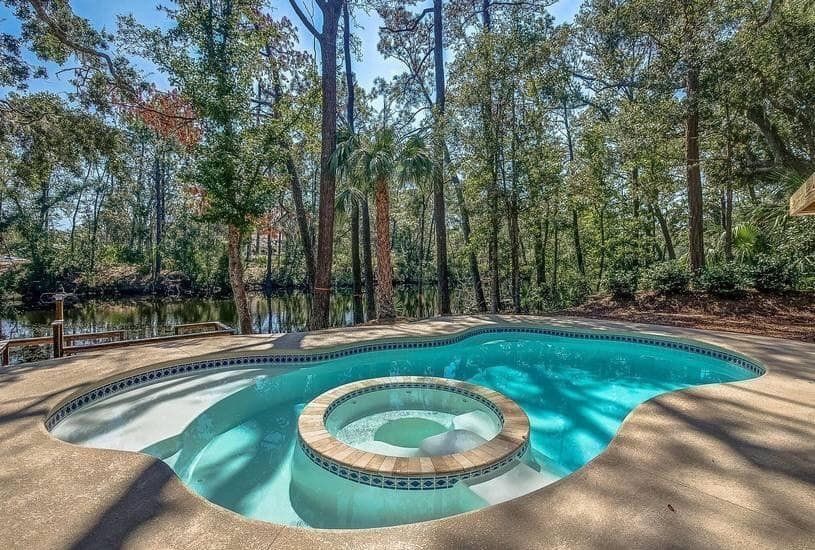
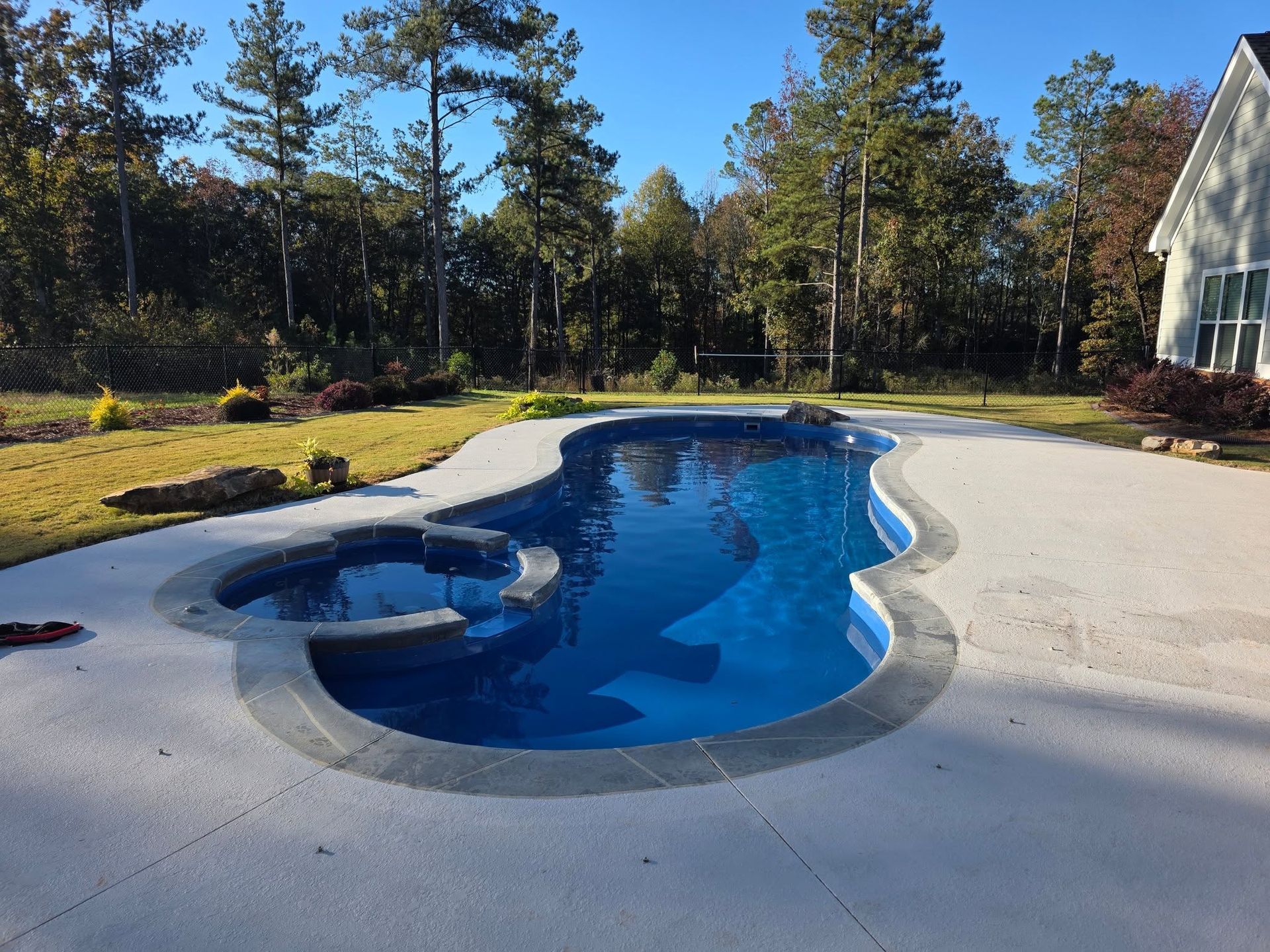
Modern inground pool designs often integrate spa features, creating multifunctional water environments. Combining a pool with a built-in spa allows homeowners to enjoy both the relaxation of a hot tub and the recreational benefits of a larger swimming area. This trend reflects a growing desire for outdoor spaces that support wellness, leisure, and entertainment simultaneously.
Hydrotherapy and Wellness Benefits
Integrated spa features frequently include jets, heated seating, and therapeutic water flows designed to target specific muscle groups, providing hydrotherapy benefits. For example, a pool with a connected spa area can offer a soothing retreat after exercise, enhance stress relief, and promote overall physical wellness. Such integrations are especially appealing to homeowners who prioritize health-focused lifestyles.
Design Flexibility
Integrated spa designs can vary widely, from raised spa areas that spill into the pool with cascading water features to fully enclosed spa zones within the pool perimeter. Designers often incorporate color-changing LED lighting, adjustable water jets, and ergonomic seating to enhance both functionality and aesthetic appeal. The flexibility of spa integration allows pools to serve as both a recreational centerpiece and a luxurious wellness retreat, catering to diverse homeowner needs.
5. Naturalistic and Resort-Style Pools
Emphasis on Organic Shapes
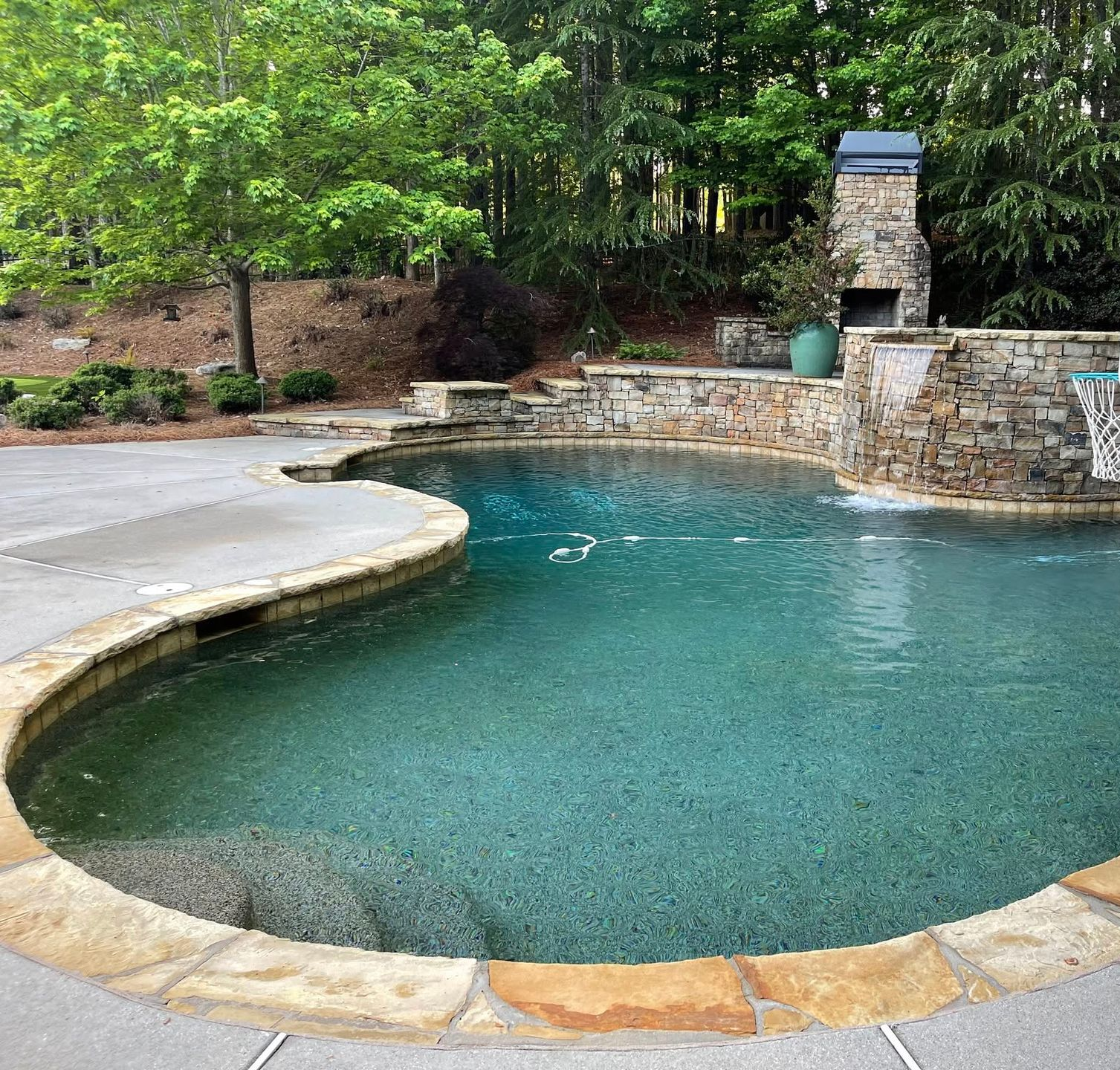
While geometric pools dominate minimalist design trends, many modern homeowners are gravitating toward naturalistic or resort-style pools. These designs emulate natural water bodies, incorporating freeform shapes, rock formations, waterfalls, and sand-like entries. The goal is to create a private oasis that evokes the ambiance of high-end resorts, enhancing the sense of tranquility and relaxation.
Landscaping and Hardscaping Integration
Resort-style pools often involve meticulous integration with surrounding landscaping and hardscaping. Lush vegetation, boulder placements, and cascading waterfalls create immersive environments that blur the boundary between man-made structures and nature. For example, a backyard pool surrounded by tropical plantings and integrated lighting can replicate the feeling of a private resort, making it an attractive feature for both homeowners and guests.
Benefits and Challenges
These pools provide unique aesthetic and experiential benefits, including stress reduction, entertainment appeal, and property value enhancement. However, naturalistic designs typically require more maintenance due to irregular shapes, complex filtration needs, and water feature upkeep. To optimize longevity and usability, homeowners should collaborate with experienced pool designers who can balance visual appeal with practical maintenance considerations.
Bonus Trend: Multi-Functional Pool Features
Entertainment and Lifestyle Integration
In addition to the five primary trends, a notable movement in modern pool design involves multifunctional features that cater to lifestyle and entertainment. Homeowners increasingly incorporate in-pool seating, swim-up bars, shallow lounging shelves, and integrated fire features. These elements allow the pool area to serve as a social hub, supporting gatherings, family activities, and private leisure in one cohesive space.
Adaptive Design for Seasonal Use
Adaptive design features, such as retractable covers, heated decks, and adjustable lighting, ensure that pools remain usable and enjoyable across seasons. For instance, a pool with an integrated retractable enclosure can transform into an indoor-style aquatic environment during colder months, extending the utility and value of the outdoor investment.
Expert Recommendations
Designers advise homeowners to carefully plan these features during the initial construction phase to optimize space, circulation, and cost-effectiveness. Incorporating multiple functional elements without overcrowding the pool area requires a balance of creativity and practicality, ensuring that the final design enhances both aesthetics and daily usability.
Your Trusted Partner in Premium Pool Construction
Modern inground pools are far more than leisure spaces—they represent the convergence of design, technology, wellness, and lifestyle. The trends outlined above, from minimalist geometric layouts to naturalistic resort-style retreats, highlight the diverse ways homeowners can enhance property value and outdoor living experiences. Smart technologies, integrated spa features, and infinity-edge designs provide both functionality and sophistication, enabling pools to meet practical needs while elevating aesthetics. For contemporary homes, these trends reflect a broader shift toward outdoor spaces that are carefully curated, multifunctional, and visually compelling.
For homeowners in Athens, Georgia, Athens Pool and Spa
stands as a trusted authority in crafting exceptional inground pools. With over 40
years of experience, our team combines technical expertise with design innovation to deliver custom pools tailored to each client’s lifestyle and property. From initial concept to final installation, we prioritize quality, durability, and elegance, ensuring every pool becomes a lasting centerpiece of your home. Athens Pool and Spa
is committed to transforming outdoor spaces into luxurious retreats, blending functionality with stunning visual appeal to meet the highest standards of modern pool design.