The Pros and Cons of Different Inground Pool Types
Building an inground pool is one of the most rewarding investments a homeowner can make, transforming a backyard into a functional, attractive, and highly personalized outdoor retreat. As demand for outdoor living spaces continues to grow, more homeowners are exploring the variety of pool types available—and discovering that each one comes with its own strengths, limitations, costs, and maintenance needs. Choosing the right inground pool type is not simply a design decision; it directly affects long-term satisfaction, efficiency, and overall value. With several materials and structural options to consider, understanding the pros and cons of each type is a critical step toward making an informed and confident decision.
The pool construction industry has evolved with significant advancements in durability, customization, and technology, giving homeowners access to more reliable and visually striking installations than ever before. Whether the goal is a sleek modern look, a highly customizable shape, or a low-maintenance backyard feature, there is an inground pool option capable of meeting those expectations. This blog provides a comprehensive breakdown of the most common
inground pool types, offering practical insights, real-world examples, and professional guidance to help you determine which pool best suits your long-term needs and lifestyle.
Concrete Pools: Durable, Customizable, and Long-Lasting
Unlimited Customization and Shape Flexibility
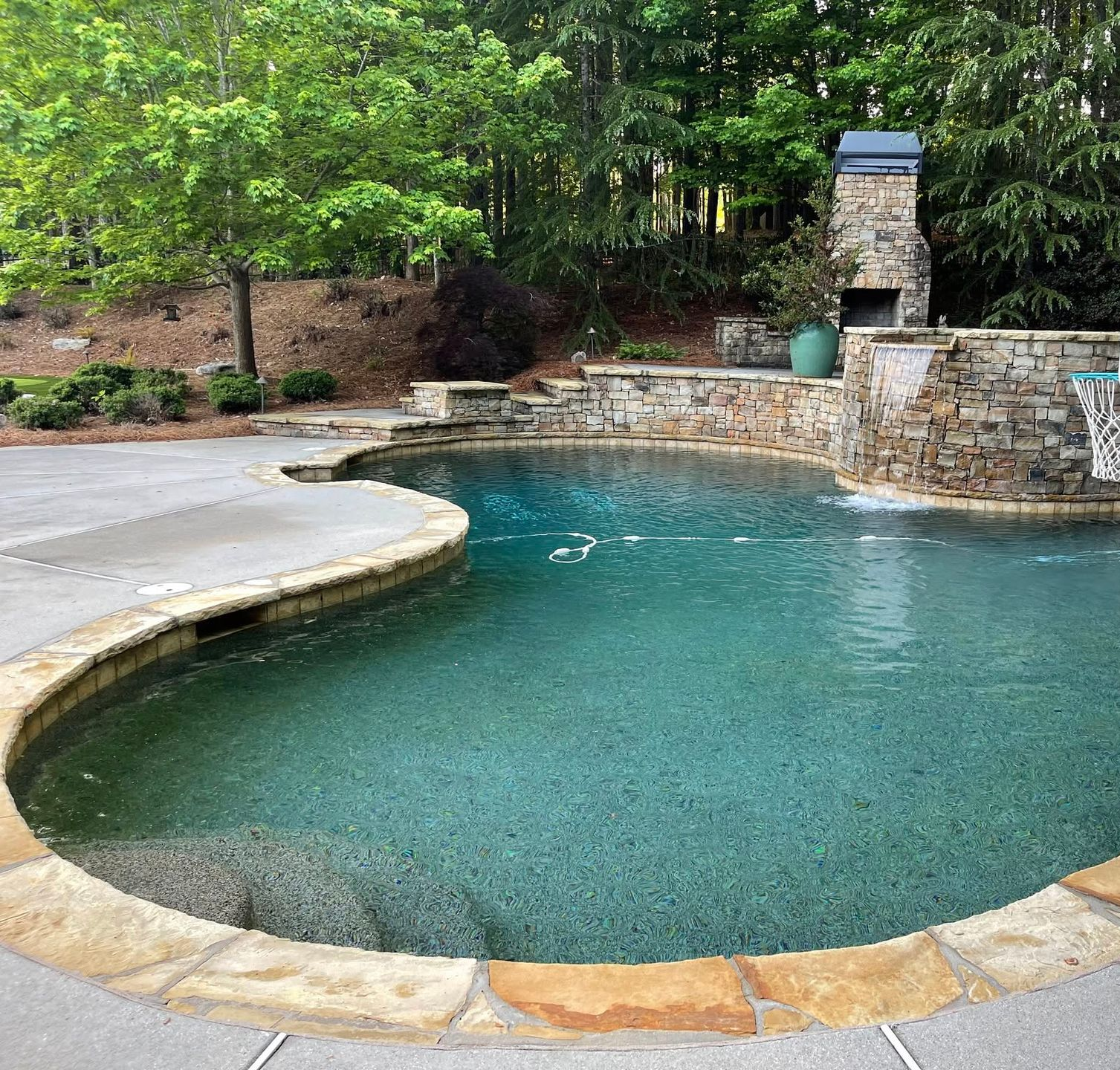
Concrete pools remain a top choice for homeowners seeking complete design freedom. They can be formed into any shape, size, or depth, making them ideal for properties with irregular layouts or for homeowners who envision features such as tanning ledges, infinity edges, or swim-up seating. This flexibility allows concrete pools to complement both modern and traditional backyard aesthetics seamlessly.
Strength and Long-Term Structural Stability
Reinforced concrete provides exceptional durability, especially in high-traffic or commercial-style environments. Concrete pools hold up well under heavy use, frequent temperature fluctuations, and long-term wear. Their robust structure also makes them suitable for deep pools, diving-friendly designs, and large-scale installations where strength cannot be compromised.
Higher Maintenance and Longer Construction Time
Despite their appeal, concrete pools require more upkeep due to their porous surface, which attracts algae and requires frequent brushing, resurfacing every 10–15 years, and consistent chemical monitoring. Construction is also lengthy, often taking several months as curing and finishing processes must be completed in stages.
Fiberglass Pools: Fast Installation and Low Maintenance
Pre-Manufactured Shells for Quick Setup
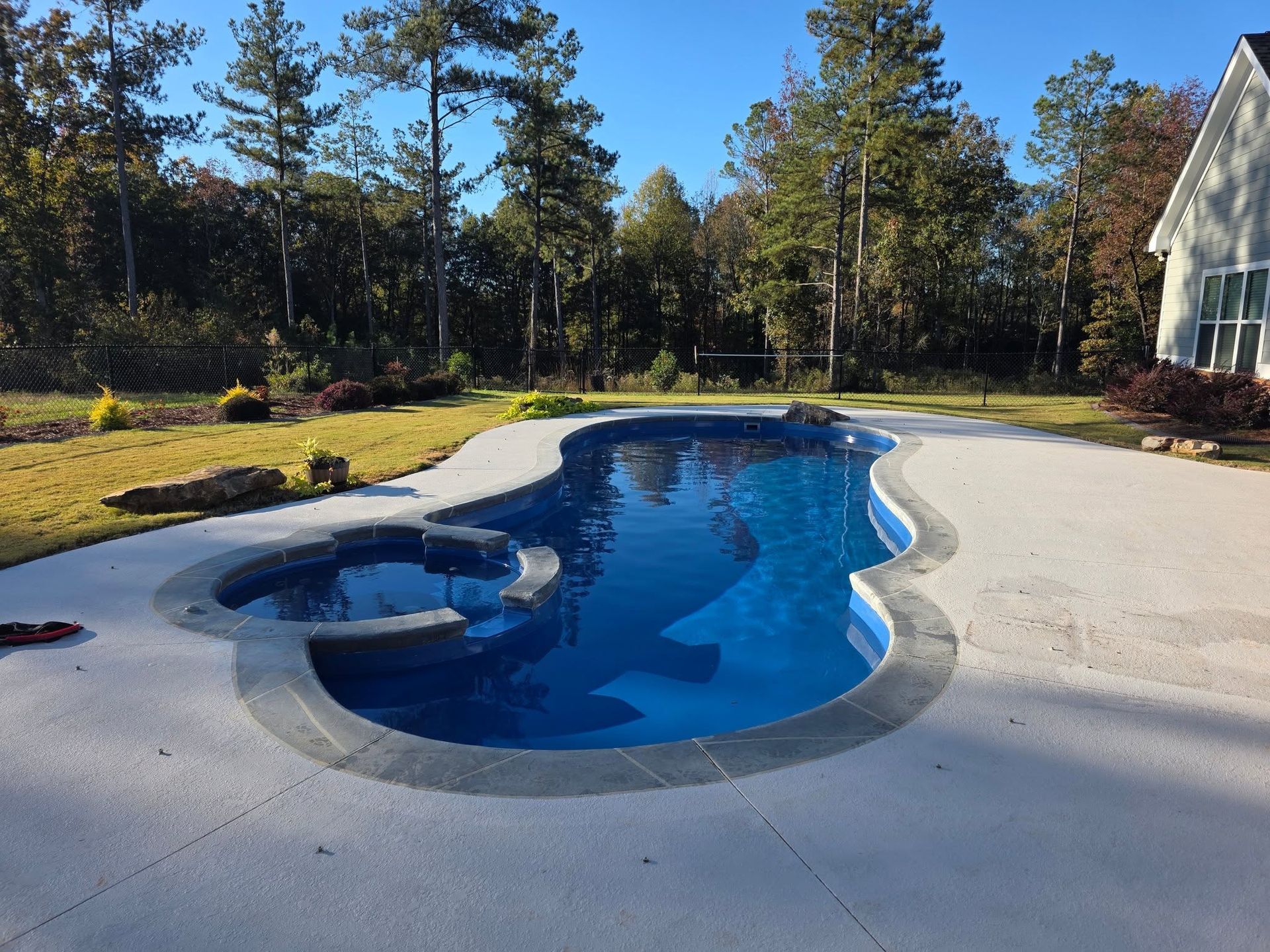
Fiberglass pools are factory-molded shells delivered to the site in one piece, dramatically reducing installation time. Most fiberglass pools can be installed and operational within a few weeks, making them a preferred option for homeowners who want a quick, efficient backyard upgrade without long disruption.
Smooth, Nonporous Surface That Reduces Upkeep
The gel-coat finish on fiberglass pools is smooth, algae-resistant, and easy to maintain. This nonporous surface minimizes the need for heavy chemical use and reduces weekly cleaning requirements. Many homeowners choose fiberglass pools for their ability to remain attractive and functional with minimal maintenance.
Limited Shapes and Transportation Constraints
Because fiberglass pools are premade, customization is limited to the shapes, sizes, and features available from the manufacturer. Transportation restrictions also limit pool width and length, meaning smaller or standard-sized fiberglass pools are more common. While modern manufacturers offer a wide variety of designs, the fully custom look of concrete pools is not achievable with fiberglass.
Vinyl Liner Pools: Budget-Friendly with Replaceable Interiors
Affordable Installation with Custom Shaping Options
Vinyl liner pools provide excellent value, especially for homeowners who want a fully inground pool without the higher costs associated with concrete or fiberglass. These pools use customizable metal or polymer wall panels that allow for diverse shapes and layouts, offering more flexibility than fiberglass at a lower price point.
Soft, Comfortable Surface for Swimmers
The liner creates a smooth interior finish that is gentle on the skin, which families with children often appreciate. The non-abrasive surface helps avoid scrapes and discomfort, making vinyl liner pools a practical option for frequent use.
Liner Replacement Requirements and Durability Limits
The trade-off for affordability is long-term upkeep. Vinyl liners typically last 7–10 years depending on care and environmental exposure. Sharp objects, pets, or improper chemical balance can also cause tearing or fading. Over time, replacement costs add up, making vinyl liner pools more expensive to maintain than fiberglass and sometimes even concrete.
Shotcrete vs. Gunite Pools: Understanding the Differences
Gunite for Superior Flexibility and Application Strength
Gunite—a mixture of dry cement and sand mixed with water at the nozzle—allows installers precise control over the material as it’s applied. This technique enhances the structural integrity and versatility of the pool, making gunite a popular choice for luxury or architecturally unique designs. The ability to build over expansive or uneven terrain also increases gunite’s appeal for difficult landscapes.
Shotcrete for Consistency and Smooth Application
Shotcrete, delivered premixed and applied pneumatically, offers superior consistency and uniformity. Because the mixture is batched beforehand, shotcrete reduces the risk of improper ratios and can produce a smoother finish. This method is often used in large commercial installations or when precision and uniform structural integrity are prioritized.
Construction and Cost Considerations for Both Methods
Both gunite and shotcrete require skilled installers and longer construction timelines, making them more expensive than vinyl or fiberglass. They also require periodic resurfacing and higher maintenance compared to fiberglass. However, their customization capabilities and structural longevity often justify the investment for homeowners seeking high-end, long-lasting pool designs.
Saltwater Compatibility Across Different Pool Types
Advantages of Saltwater Pool Systems
Saltwater systems have become increasingly popular due to their ability to produce softer, gentler water that reduces skin irritation, prevents strong chlorine smells, and maintains consistent sanitation levels. These systems are compatible with most pool types but may influence long-term durability depending on the materials used.
Material Considerations When Choosing Saltwater
Concrete pools, especially those with plaster finishes, can experience accelerated surface wear when used with saltwater systems due to increased corrosiveness. Fiberglass pools perform well with salt systems because their gel coat resists saltwater corrosion. Vinyl liner pools require attention to metal components, as saltwater can corrode improperly coated fixtures.
Weighing Upfront Costs and Long-Term Savings
Saltwater systems require a higher initial investment but reduce the cost of traditional chlorine purchases over time. They also minimize daily maintenance, making them a strong option for homeowners prioritizing low-effort pool care. However, material compatibility should always be evaluated before installation to avoid premature surface or hardware deterioration.
Energy Efficiency, Lifespan, and Long-Term Ownership Costs
Energy Efficiency Factors by Pool Type
Fiberglass pools often lead in energy efficiency because their smooth surface improves water circulation, reducing strain on pumps and filtration systems. Concrete pools may require more powerful pumps due to their rougher surface and added features, while vinyl liner pools fall in the middle, offering moderate efficiency depending on size and shape.
Lifespan Comparison and Structural Longevity
Concrete pools have the longest lifespan, often lasting multiple decades with proper resurfacing. Fiberglass pools typically last 25–30 years, with minimal structural maintenance required. Vinyl liner pools depend heavily on liner replacement intervals, though their frames can last for decades when correctly maintained.
Total Ownership Costs Beyond Installation
While vinyl pools offer low initial costs, liner replacements increase long-term spending. Concrete pools have high initial and maintenance costs but deliver unmatched customization and longevity. Fiberglass pools offer a balanced cost profile, featuring moderate pricing, low maintenance, and strong longevity. For homeowners evaluating pool types, calculating both initial investment and projected lifetime cost helps determine the most economical long-term option.
Choosing the right inground pool requires a clear understanding of each material’s strengths, weaknesses, maintenance requirements, and long-term value. While concrete pools offer unmatched customization and strength, fiberglass pools provide speed, convenience, and low maintenance. Vinyl liner pools remain an affordable and flexible solution for families working within a specific budget. Additional considerations—such as saltwater compatibility, energy efficiency, lifespan, and ownership costs—play an essential role in determining which option aligns best with the homeowner’s lifestyle and expectations. By weighing these factors carefully, property owners can make confident, informed decisions that result in a beautiful, functional, and long-lasting pool investment.
Essential Insights Before You Build Your Pool
For homeowners in search of a dependable pool installation partner, Athens Pool and Spa
stands as a trusted authority with four decades of hands-on expertise. Serving clients throughout Athens, Georgia, the company has built its reputation on quality craftsmanship, long-term reliability, and a strong commitment to customer satisfaction. Whether helping homeowners evaluate the differences between concrete, fiberglass, or vinyl liner pools, the team brings a depth of industry knowledge that simplifies decision-making. Their specialists understand how climate, soil conditions, intended use, and maintenance preferences influence the best pool type for each property. With 40
years of experience, Athens Pool and Spa
continues to combine proven construction practices with modern innovation, delivering installations designed for beauty, durability, and ease of ownership. Homeowners can rely on their professionalism, transparency, and guidance at every stage of the process, ensuring a stress-free experience from concept to completion.